Why We Created Starlight Voyages: From Solo Fieldwork to Small-Group Expeditions
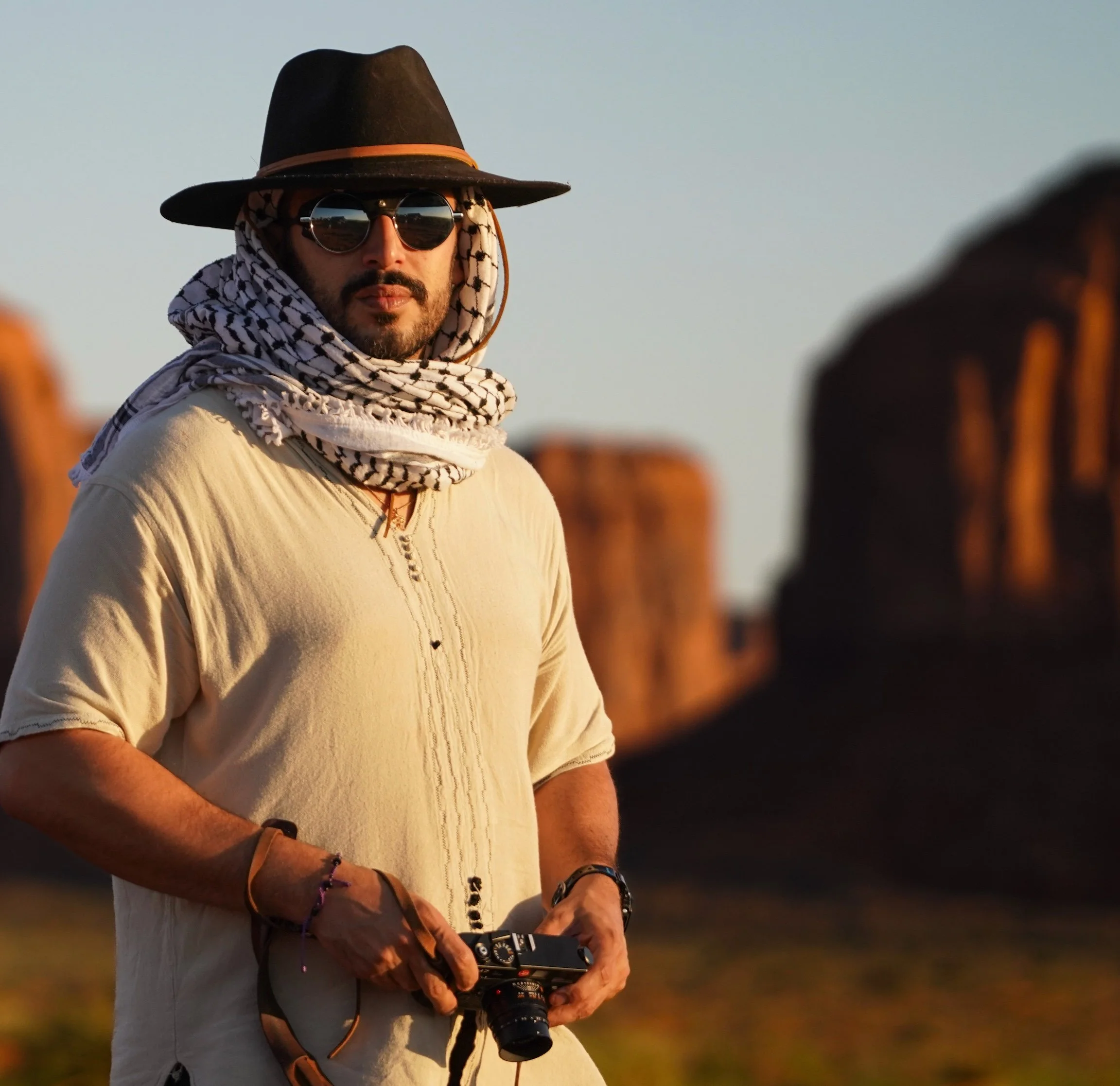
For years, my work looked like this: a rental car, two hard pelican cases full of camera gear, and a sleeping bag tossed in the back seat, driving alone toward some of the emptiest places in the American West dressed like a cowboy.
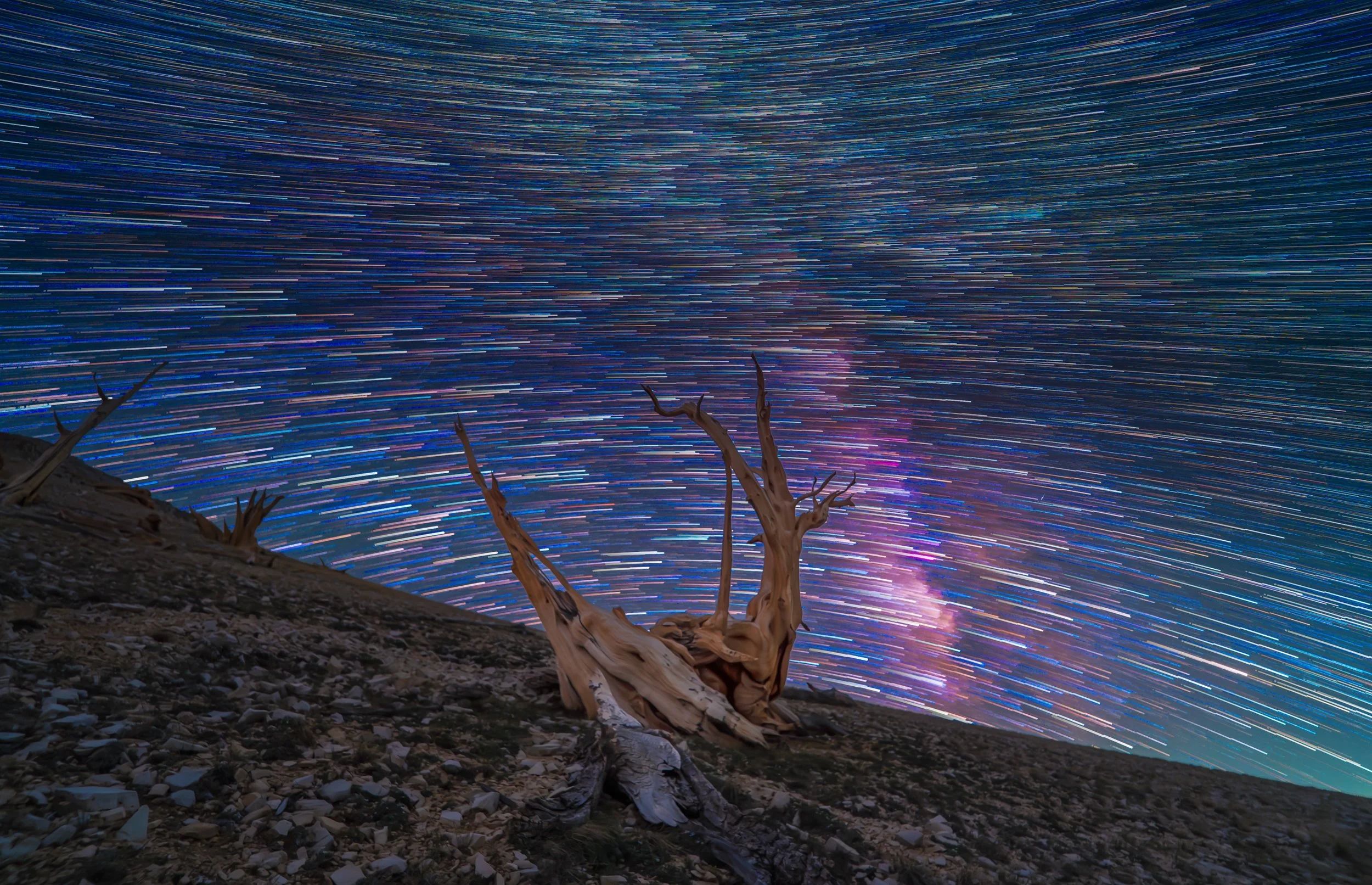
I would leave Las Vegas at 3 a.m. and drive hours into Nevada, Utah, or Arizona until the map on my phone turned from city orange to deep rural black. I would set up my tripod, wait for my eyes to adjust, and stand under skies so full of stars that the Milky Way cast a visible shadow on the desert floor.
Those trips were always just for the photography. I never planned to turn them into a business.
Then something changed. The direct messages on my @advil account shifted. Instead of asking me which lens I used, strangers started asking me something much more personal:
"How do I visit places like this without getting lost, stranded, or scammed?"
"Can I do the Valley of Fire at night, or does it close?"
"Is it actually safe to travel to Egypt alone?"
That is when I realized the thing people were craving was not a camera tutorial. It was access. They wanted to stand under a truly dark sky and walk through ancient history, but the friction of doing it alone felt insurmountable.
So my wife Anna and I built Starlight Voyages to solve exactly that problem.
The Real Barrier: Logistics, Not Desire
Anyone who has tried to plan a trip to a remote dark sky site or a country like Egypt knows the feeling. You spend three weeks reading forums, comparing tour companies, and mapping driving routes, only to realize you still have no idea what permits you need or which local operators are actually trustworthy.
The average person does not want to become an expert in BLM land access rules or Egyptian visa logistics just to have a memorable vacation. They want someone who has already done the legwork to hand them a plan.
That is the core of what we built. Starlight Voyages is the answer to the question I kept getting asked.
Domestic Voyages: Stargazing From Las Vegas and the Southwest
Las Vegas is a strange place to run a dark sky travel company. It is one of the brightest cities on Earth, a neon basin that glows for a hundred miles in every direction.
But here is the secret most people never realize: drive two to four hours in almost any direction, and you reach some of the darkest, most dramatic landscapes in North America. The Mojave, the Colorado Plateau, and the high deserts of Utah sit right outside the glow.
The problem with the famous destinations is that they have gotten crowded. The big-name national parks are dealing with record visitation, timed entry permits, and bottlenecked overlooks. Those places are still beautiful, but standing in a crowd of a thousand people at a scenic viewpoint is not the experience most people are chasing.
So we pair the iconic spots with the quieter ones. Hidden BLM corridors, slot canyons that see a handful of visitors a day, silent desert plateaus where you can hear your own heartbeat. The goal is not just to see a beautiful place. It is to feel alone inside it, in the best possible way.
And here is the part that surprises people: our trips are not just for photographers.
You do not need a camera to come with us. Most of our guests just want to stand under the Milky Way and look up. We build every itinerary so that whether you are hauling a full astrophotography rig or sitting in a camp chair with a pair of binoculars, you get the same moment of awe. There is constellation storytelling, naked-eye observing, and long quiet hours around a campfire with no phone signal.
If you are curious about the kind of trips we run in the American West, you can learn more about our small group stargazing voyages from Las Vegas and across the Southwest.
International Expeditions: Cultural Immersion in Egypt
Egypt is different from any other place we operate, and it is different for a reason that is personal to me.
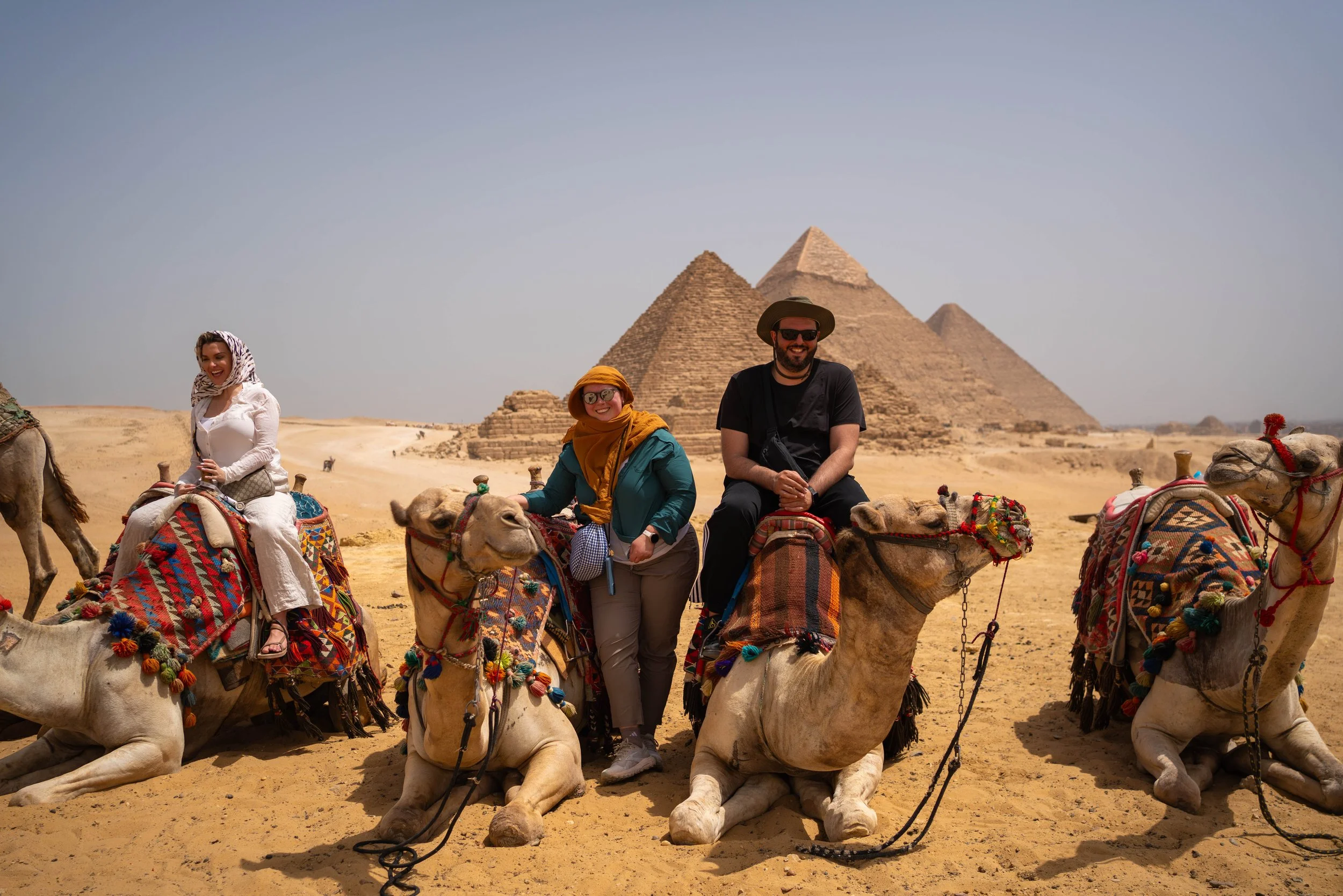
My family is Egyptian. I love Egypt. A lot! I grew up hearing stories about the Nile, about the ancient dynasties, about the food and the language and the rhythm of life in Cairo. When I started leading travelers there, I wanted to show them the Egypt that I know, not the version you get from a rushed package tour bus. I realize that for 99% of my guests, this will be the only time they ever see Egypt... we gotta make it count!
The problem with most big-bus Egypt tours is that they are built for efficiency, not experience. Forty-five minutes at the Pyramids. A whistle to get back on the coach. A gift shop stop you did not ask for. You see the monuments, but you never actually feel the country.
We do it differently. We work directly with vetted local ground operators and DMCs who live in Egypt and know the land intimately. We balance the iconic sites, Giza, Karnak, the Valley of the Kings, with the quieter moments that most tours skip entirely. A private felucca sail on the Nile at sunset. A meal cooked by a family in a village you would never find on your own. The kind of silence under a desert sky that most people never experience in Egypt.
And we are looking ahead to something extraordinary: the total solar eclipse in August 2027, with more than six minutes of totality over the Nile Valley. We are building our international calendar around it, and it is going to be a once-in-a-lifetime event.
If you want to understand how we approach it, take a look at our boutique cultural expeditions to Egypt and our founder-led Egypt tours.
The Operating Philosophy: Founder-Led and Low-Impact
There are two things that define how we run every trip, no matter where we go.
The first is size. We cap our groups at six to ten guests, and we will never change that. Small groups mean we can move quietly, access tight locations that buses cannot reach, and actually build a sense of community. You are not a number on a manifest. You are a person we get to know over shared meals and long drives.
The second is respect for the places we visit. I am a delegate to DarkSky International and serve on the board of the Astronomical Society of the Pacific. That is not just a line on a resume. It means we think hard about how we move through dark sky environments and fragile desert ecosystems. We follow Leave No Trace principles. We protect nocturnal habitats. We treat the night sky like the rare and threatened resource it is.
Anna and I run these trips together. She handles the hospitality and the logistics and the hundred small details that make a journey feel seamless. I handle the photography, the field scouting, and the storytelling. Between the two of us, our guests get something that is hard to find in modern travel: a trip that feels deeply personal, led by people who actually care about the place and the people they are traveling with.
Looking Ahead
The calendar keeps filling, and that is the best possible sign. Spring departures into the desert, dark sky weekends through the fall, and international seasons that line up with the eclipse and the Nile's best months.
But the thing I keep coming back to is this: there is something fundamentally reorienting about standing under a pristine night sky. The noise of modern life falls away. The scale of everything recalibrates. You remember that you are standing on a small planet, in a quiet corner of a galaxy, and somehow that is the most comforting feeling in the world.
That is what we wanted to share when we built Starlight Voyages. Not just a tour, but a doorway back to something humans have been doing for thousands of years: looking up, together, and feeling small in the best way.
If you are ready to see what that feels like, explore our upcoming dates and come stand under the stars with us.
-
No. While our domestic voyages offer field instruction for astrophotographers, our trips are built equally for naked-eye stargazers, binocular observing, and travelers who simply want to experience pristine dark skies away from city light pollution.
-
Most of our domestic voyages depart directly from Las Vegas, Nevada (and occasionally Salt Lake City, Utah), serving as convenient base camps for accessing remote BLM lands and dark sky plateaus across the Southwest.
-
To protect fragile wilderness environments, access intimate historic sites, and maintain genuine community, all domestic voyages and international expeditions are strictly capped at 6 to 10 guests.